
Experienced. insured. local.
Hurricane & Storm Recovery
When the storm passes, recovery begins.
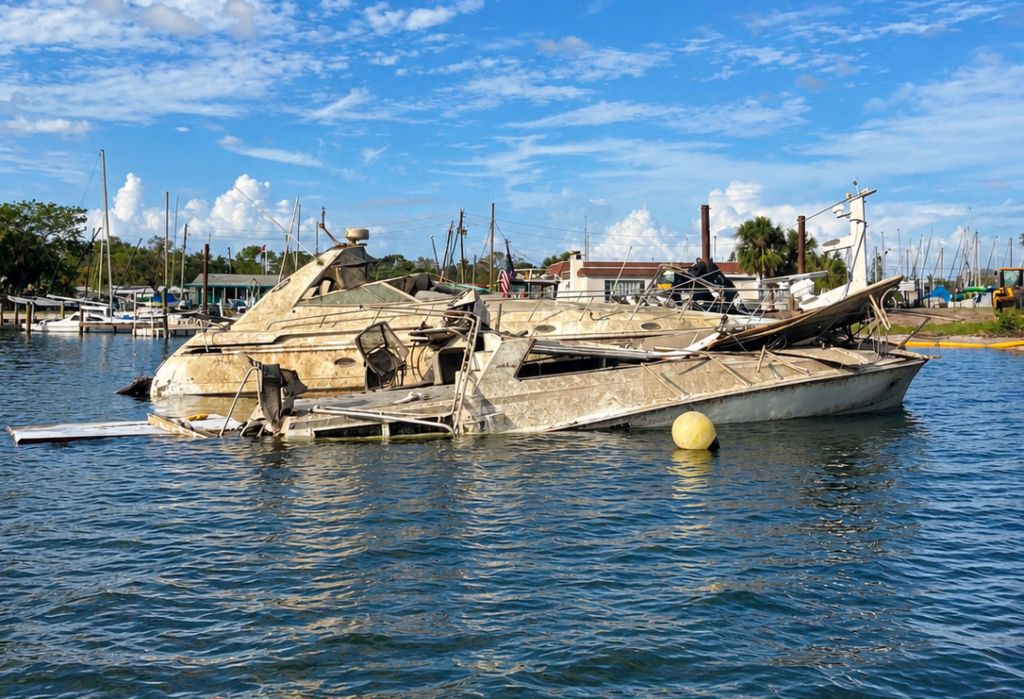
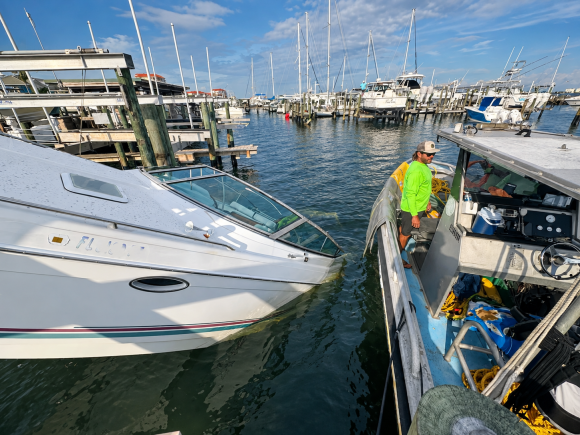
sunken boat
recovery
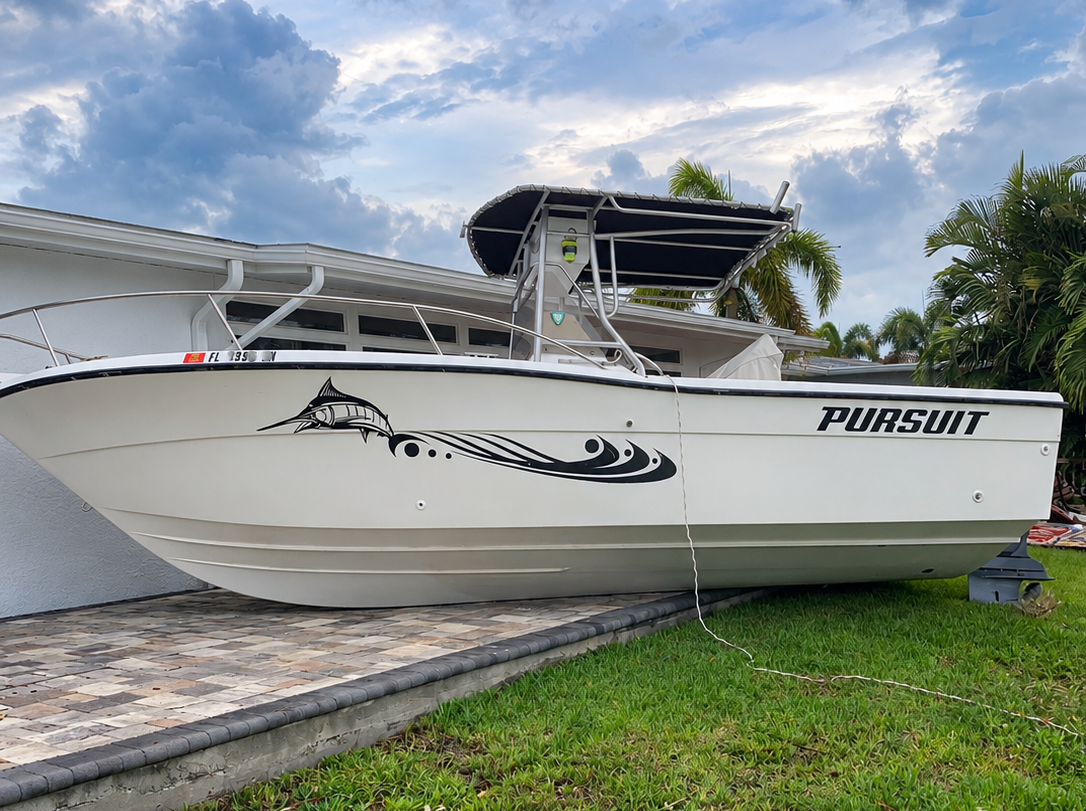
displaced vessel
recovery
Environmental
containment
navigational
hazards
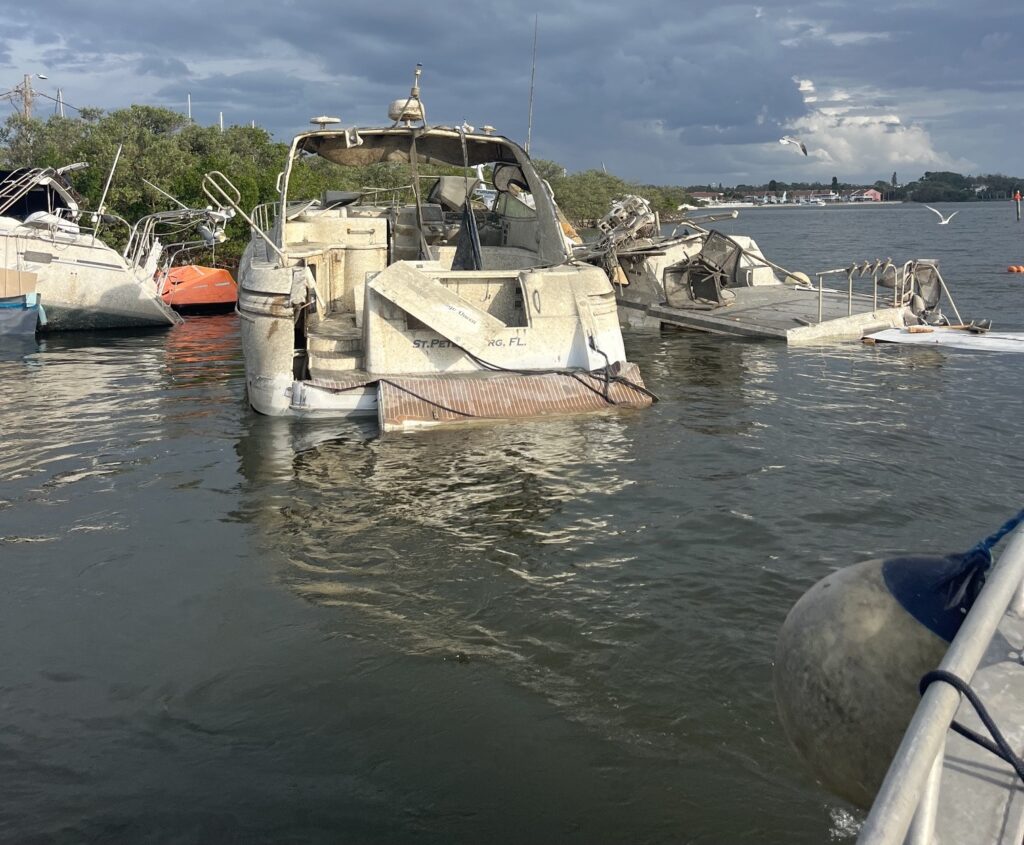
storm debris
cleanup
proven storm response experience
prepare before
the storm
Hurricane preparation should begin well before conditions deteriorate. Having a plan in place can help protect your vessel while keeping you and others out of harm’s way.
Move your vessel when possible. Trailerable boats should be hauled out and moved to a secure location away from tidal waters and potential storm surge.
Secure boats that remain at the dock. Double lines where appropriate, use properly placed spring lines, allow for rising water and storm surge, and protect lines from chafing. Fenders or fender boards can provide additional protection.
Remove or secure loose equipment. Canvas, sails, cushions, electronics and other loose items should be removed or properly secured before high winds arrive.
Check batteries and bilge pumps. Make sure batteries are charged and automatic bilge pumps are functioning properly. Consider backup battery capacity in case shore power is lost.
Make your plan early. Know where your vessel will go, what equipment you'll need and how much time is required to secure it. Keep important vessel documents and insurance information somewhere safe and accessible.
Put personal safety first. Never remain aboard a docked, anchored or moored vessel during a hurricane or tropical storm. Follow evacuation orders and guidance from local emergency management officials.
No storm-preparation method can eliminate the risks associated with hurricanes, storm surge, flooding or severe weather. Always prioritize personal safety and follow current local emergency guidance.